
Pedal to the Water: Urban Rides That End with a Cast
Today we dive into Bike-to-Fish Itineraries on City Greenways and River Trails, charting welcoming rides that roll through shaded corridors toward piers, eddies, and quiet banks. You will find practical planning guidance, packable gear ideas, urban ecology notes, and true stories that encourage confident exploration. Whether you are new to cycling, returning to fishing, or simply curious about rediscovering your river, this guide helps you pedal lightly, cast thoughtfully, engage respectfully, and return home smiling with memorable moments to share.

Finding Fluid Routes through the City

Reading Maps and Wayfinding Like a Local

Blend digital tools with real-world clues to stay oriented and relaxed. City greenway maps show official routes, but local signage, painted waypoints, and even public art can signal you are near water. Cross-reference access points with fishing regulations and hours. Mark refill stations, restrooms, and shaded benches. Before rolling, set distance expectations and bailout options, so detours for construction, high water, or events feel like small adventures instead of stress.

Bridges, Locks, and Crossings that Keep Momentum

Rivers funnel movement and sometimes complicate it. Identify bridges with generous shoulders or protected paths, and note where stairs include runnels for bike wheels. Locks and dams may create intriguing fisheries, yet require caution and adherence to posted boundaries. When possible, pick loop routes that cross different spans, delivering varied views and wind angles. A small change in crossing position can transform fishing access and illuminate subtle current seams worth exploring later.

Timing Your Ride with Flows, Light, and Human Rhythm

Early mornings often mean calmer trails, softer light, and fish feeding along seams and shallow flats. Lunchtime brings busier paths, while evenings invite reflected sunsets but occasionally fickle gusts and mosquitoes. Consider river stage reports, recent rain, and water clarity before committing. Give yourself buffer minutes to notice bird life and bank structure. When ride timing follows the river’s daily tempo and the city’s pulse, casting opportunities appear more frequently and feel more rewarding.

Bike Setup that Loves Tackle and Tight Corners

Sturdy racks and low-rattle panniers prevent fatigue and protect delicate gear. A narrow handlebar bag organizes license, permits, and quick snacks without distracting your steering. Frame bags carry tools and patch kits low and centered. Consider a compact lock for short stops, bright lights for tunnels, and a bell for courtesy. Quiet straps, Velcro keepers, and rod tubes mounted parallel to the frame reduce snag points, helping you weave through narrow gates and friendly crowds.

Rods, Reels, and Compact Kits for Urban Variety

Telescopic spinning rods or four-piece fly rods slip into small tubes and ride unnoticed until needed. Pair a versatile reel with moderate drag and bring a handful of confidence baits: inline spinners, small jigs, soft plastics, or a warmwater fly selection. Use a tiny box for hooks and weights, plus a leader wallet. Choose tools that excel at quick rig changes, because a carp tailing near reeds and a bass under a dock demand different presentations.

Clothing, Footwear, and Staying Comfortable All Day

Quick-dry fabrics keep you happy after a splash or sudden shower, and a light wind layer earns its place when river breezes pick up. Opt for shoes with grippy soles, capable on pedals and slick rocks. Pack a microtowel and small first-aid essentials, especially bandages for nicks from hooks or brambles. Sun protection matters on reflective water, so include hat, sunglasses, and sunscreen. Comfort builds patience at the waterline, and patience often invites strikes.

Understanding Fish, Water, and Urban Ecology

City rivers host resilient communities: smallmouth bass under current breaks, panfish near pilings, catfish in deeper holes, sometimes trout in cold tributaries, and carp cruising vegetated flats. Read seams, eddies, and shade lines like sentences describing fish behavior. Notice insects, baitfish flickers, and birds pointing to action. Respect restoration zones, report pollution if encountered, and celebrate the recovering vitality of urban waterways. Observing closely enriches your ride and turns casting into mindful dialogue with the river.

01

Spotting Holding Water from the Saddle

As you roll beside the river, scan for structure: submerged logs, bridge pilings, riffle edges, and confluence foam lines. These features concentrate food and create resting spots. Pause where current tapers near vegetation or riprap. Note where sunlight meets shade and where wind stacks surface scum. Mark these coordinates for return visits at different flows. Building a mental atlas of likely lie zones transforms casual rides into informed reconnaissance, making each future cast more deliberate and hopeful.

02

Species, Seasons, and Choosing Presentations

Spring brings aggressive chasers near warming shallows, summer rewards dawn and dusk around docks, autumn concentrates fish near deeper transitions, and winter invites slow, subtle drifts. Match lure or fly size to forage comfort: small profiles for picky fish, brighter ones for stained water. Carry a simple seasonal rotation and adjust retrieve speed to temperature. When in doubt, experiment with angle and pace. Remember, city fish see pressure; quiet approaches and precise casts unlock surprising results.

03

Respecting Water and Leaving Places Better

Pack out all line scraps, broken lures, and snack wrappers; they do lasting harm to birds and aquatic life. Stay off fragile banks and newly planted riparian zones. Use barbless or crimped hooks where required, wet hands before releasing fish, and avoid fishing during extreme heat stress. Share access respectfully with paddlers and walkers. Each considerate choice builds community trust. Healthy behavior today means richer, more accessible urban waters for everyone tomorrow, including future riders discovering their first cast.

Safety, Rules, and Shared-Use Courtesy

Good trips feel relaxed because boundaries are understood. Confirm licensing, seasons, and harvest limits before leaving home, and review park hours and special closures. Equip your bike with lights, a bell, and reflectivity. Signal predictably and yield with kindness. On the water, mind posted distances near dams, respect no-fishing zones, and store hooks safely around families and pets. Safety culture is not rigid; it is a compassionate habit that welcomes more people to these spaces.

Licenses, Seasons, and Harvest Decisions

Obtain the proper license for your jurisdiction and keep a digital or physical copy readily available. Know open seasons, size requirements, and bag limits, plus any bait restrictions or barbless mandates. When harvest is permitted, carry a small cooler and ice if you intend to keep fish. Otherwise, plan for careful release with tools ready. A few minutes of preparation prevent tough situations later and reinforce a respectful relationship with fisheries officers and fellow anglers on shared waters.

Trail Etiquette that Builds Community

On narrow paths, pass at a walking pace and announce with a friendly bell or voice. Give space to kids, dogs, and joggers wearing headphones. At popular fishing pull-offs, park bikes so wheels do not block ramps or wheelchair access. Share reports kindly, but avoid crowding someone’s quiet moment. The more we practice small courtesies, the easier it becomes for cities to support expanded greenways, better amenities, and thoughtful access for riders and fishers of every experience level.

Weather, Water Levels, and Plan B Confidence

Check forecast details beyond icon summaries: wind direction, gusts, and timing of storms matter greatly near rivers. Review gauge data for rapid rises that can muddy water or close access. Carry a compact rain layer and a map of sheltered alternatives like canals or lakes. Establish meet-up points if riding with friends. A calm pivot to a nearby tributary can turn a washed-out plan into a quiet win, teaching adaptability that serves every future weekend remarkably well.

Stories from the Path and the Bank

Memorable rides are often simple ones with unexpected grace notes: a cormorant surfacing beside your pedal strokes, a stranger pointing out a hidden eddy, the first tap on a carefully mended fly. Stories anchor techniques in feeling. We gather small victories, missed strikes, flat tires gracefully handled, and city sunsets that repaint everything golden. Share your tale, because generosity of experience turns maps into friendships and makes returning to the river feel like visiting a familiar, generous neighbor.

Family-Friendly and Accessible Adventures

Short Loops with Plenty of Shade and Breaks

A two-to-five-mile circuit around a riverfront park offers the right blend of novelty and ease. Scout playgrounds, water fountains, and picnic tables, plus backup stops in case a nap arrives early. Keep rods ready but optional, letting curiosity lead. If a child wants to feed ducks or count kayaks, follow that path. The aim is positive association with bikes, water, and togetherness, building enthusiasm that makes longer future rides feel natural rather than ambitious.

Inclusive Options and Adaptive Cycling

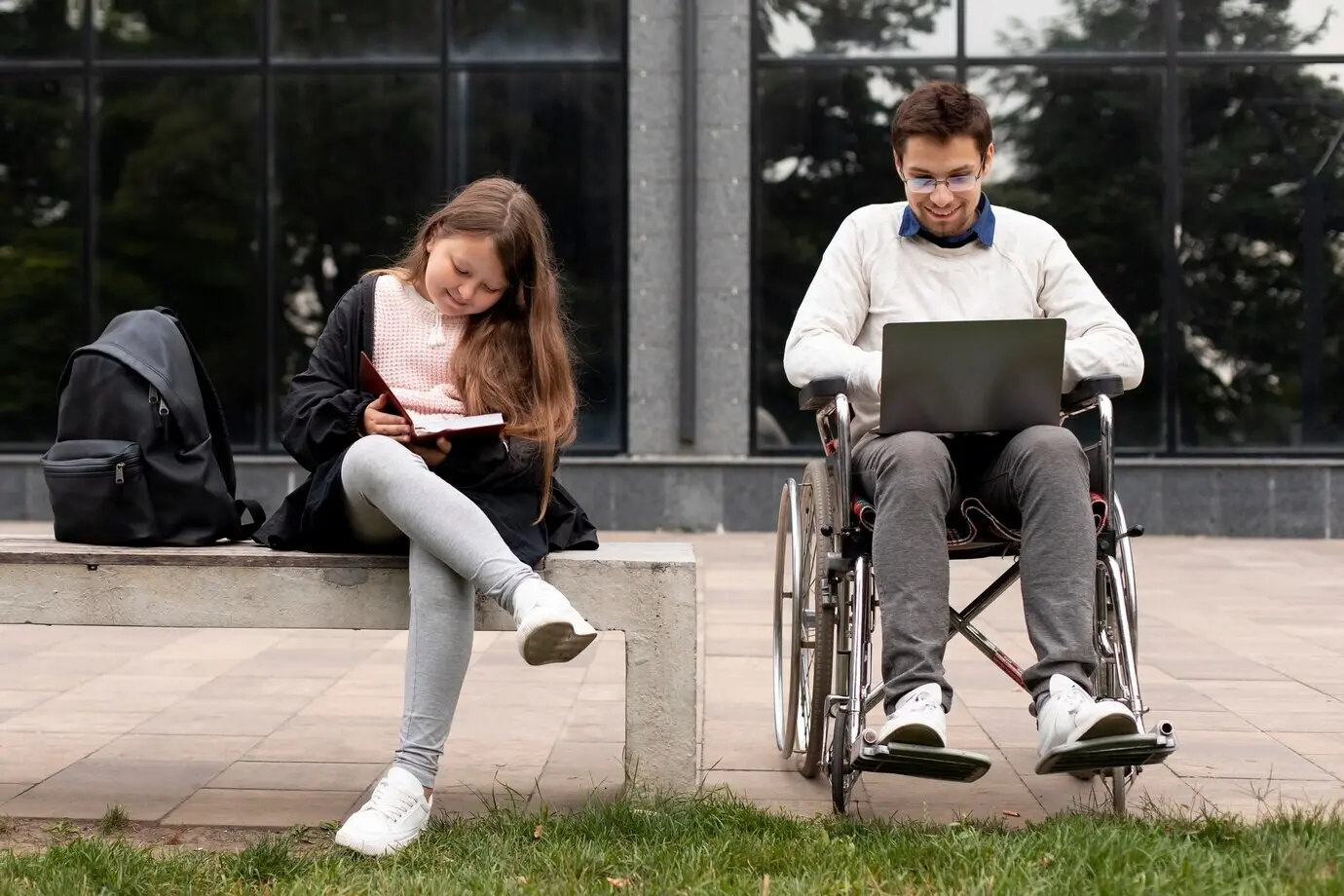
Many cities now support adaptive cycles, handcycles, and trikes along accessible river segments. Map wider turning radii, smoother curb cuts, and level fishing stations. Call ahead to confirm equipment loans where available and check railing heights for casting. Bring tactile experiences—a soft hackle fly or a smooth lure—to involve everyone regardless of casting ability. Inclusive planning turns the day into shared discovery, proving that access is not a bonus feature; it is the foundation for community joy.

Transit-Assisted Rides for Big-Feeling Days

Extending range does not require heroic pedaling. Use buses or trains that accept bikes to reach upriver segments, then enjoy a mostly downhill or flat return. Check schedules, loading rules, and station elevators before departing. Pack a compact strap for securing rods during transit. The result feels like a mini expedition without logistical strain. For families, transit creates excitement, and for new riders, it keeps energy focused on those magical minutes beside water with a line dancing.

Plan, Share, and Keep the Momentum

After a few successful outings, capture what worked: distances, wind patterns, lures that drew strikes, and where benches offered the best views. Build a simple library of comfortable loops for different seasons and times of day. Invite friends, trade routes, and ask questions. Subscribe for fresh ideas and share photos that highlight stewardship as much as fish. When the community keeps learning together, city rivers become friendlier, fish thrive, and bikes feel like the most natural way to arrive smiling.

Building Your Personal Itinerary Library

Create a folder of annotated maps with notes on access points, seasonal closures, water clarity, and preferred gear. Add quick symbols for shade, refill stations, and quiet casting corners. Record what you would change next time. During winter or busy weeks, review and refine your collection. This habit reduces decision fatigue, encourages spontaneous micro-adventures, and turns free hours into reliable joy, because your planning muscle remembers how to convert possibilities into smooth, memorable rides and casts.

Connecting with Local Groups and Events

Look for weekly rides that finish at riverside parks, community science days counting fish and insects, and cleanup events that leave shorelines brighter. Introduce yourself to shop owners who know which stretches are lively after rain. Ask thoughtful questions and share small discoveries humbly. Friendships form quickly when people care for the same water. Together, you can advocate for safer crossings, better signage, and improved access points that serve riders, walkers, and anglers with equal dignity and enthusiasm.

Sharing Reports, Photos, and Responsible Practices

Post ride-fish snapshots that celebrate landscapes and companions as much as catches, and blur sensitive locations when appropriate. Mention water clarity, wind, and general timing rather than exact coordinates to protect fragile spots. Highlight stewardship: trash packed out, barbs crimped, fish handled carefully. Encourage newcomers by answering questions with warmth. Your voice becomes part of a supportive chorus that keeps curiosity alive, lowers barriers to entry, and ensures the river welcomes more pedals, more casts, and more smiles.
Kamofovotavipa
Privacy Overview

This website uses cookies so that we can provide you with the best user experience possible. Cookie information is stored in your browser and performs functions such as recognising you when you return to our website and helping our team to understand which sections of the website you find most interesting and useful.