






Casting Lines Where Access Begins

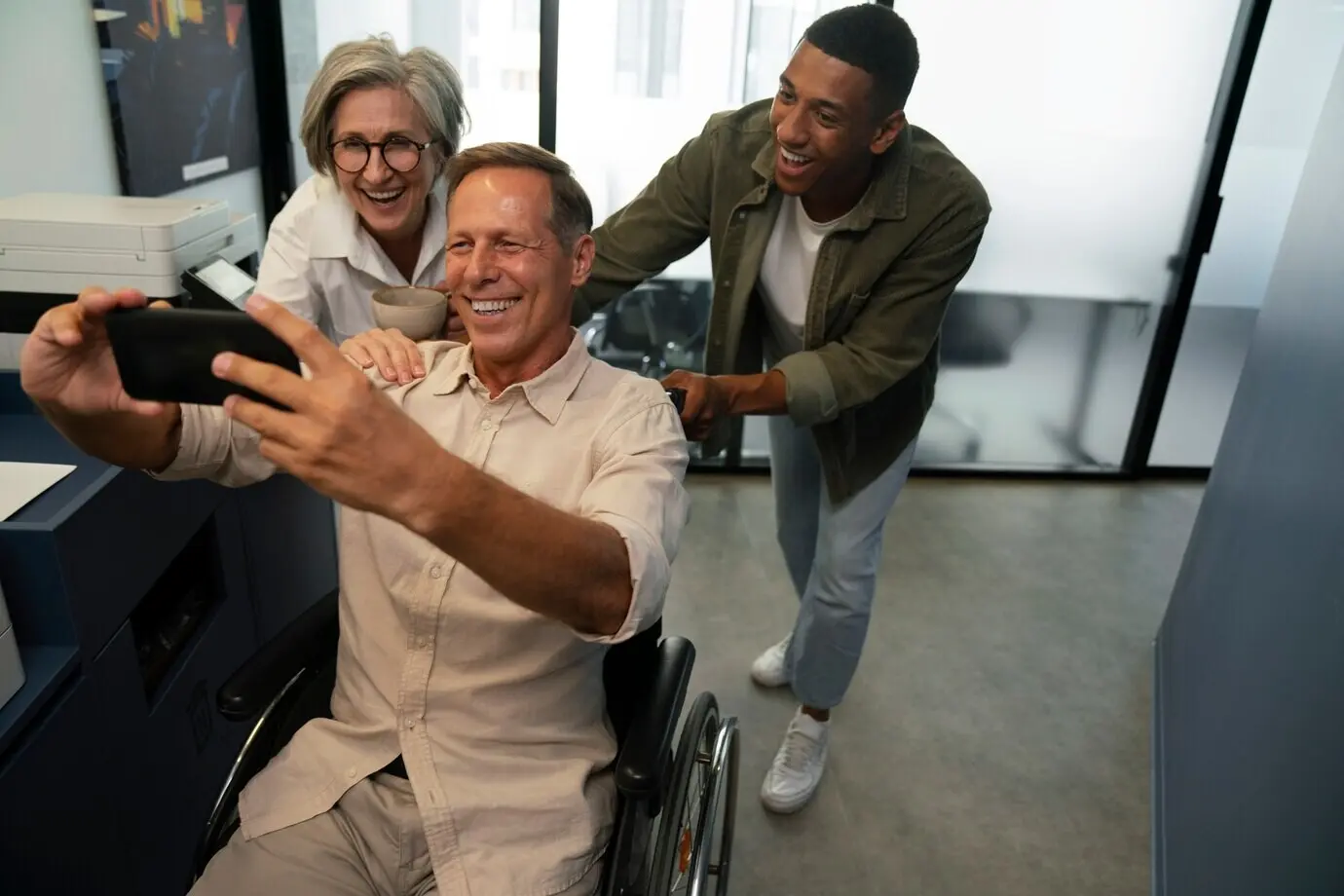
We’re exploring Wheelchair-Accessible Urban Fishing Piers Connected to Transit: places where the freedom of a cast meets the reliability of buses, trains, and accessible sidewalks. Imagine rolling off a light-rail car, following tactile cues, and arriving at a pier designed for comfort, independence, and shared joy. Stories, practical guidance, and design wisdom await, gathered from anglers, planners, and families who rely on seamless journeys. Read on, ask questions, and share your experiences so together we amplify inclusive waterfronts and make every shoreline easier to reach without a car.

Smooth Journeys to the Water’s Edge

The most memorable pier days begin long before the first cast. They start with predictable transit schedules, level boarding, elevators that actually work, and crosswalks timed for unhurried crossings. When stations, sidewalks, and pier entrances align, independence grows. Let’s unpack the details that turn a complicated trip into a comfortable ritual reachable by anyone, every season.

Rails, Cutouts, and Reach Ranges

Lowered rail segments with knee clearance let seated anglers approach the edge safely. Aim for clear space about thirty inches wide, knee height near twenty-seven inches, and surfaces within comfortable reach ranges. Integrated rod holders and carefully placed cleats reduce awkward twisting. These modest adjustments transform effortful casting into steady, relaxed, repeatable motions.

Surfaces, Slopes, and Space to Maneuver

Decking should be firm, stable, and slip resistant when wet. Keep gaps small to avoid catching casters or mobility device wheels, and curb cross slopes so chairs track straight. Turning circles of five feet or more allow smooth repositioning near popular spots. Gentle transitions preserve momentum, reduce fatigue, and keep the focus on the line.

Seeing and Being Seen After Sunset

Shielded, evenly spaced fixtures reduce glare on wet decks and make edges legible at a glance. Lighting should illuminate signs, rod tip zones, and routes back to transit stops without washing out the night sky. Smart controls save energy while maintaining safety, so late bites feel inviting rather than uncertain or rushed.

Edge Protection Without Losing the View

Continuous edge definition, toe-kicks detectable by canes, and well-placed midrails prevent wheels from drifting while preserving sightlines to the water. Transparent panels or cable rails can maintain horizons and accommodate seated eye levels. The goal is to guard without boxing in, so tranquility and independence remain central to every visit.

Keeping Piers Strong Through Seasons

Salt spray, hot sun, and winter ice test every fastener and plank. Specify corrosion-resistant materials, textured finishes that endure, and drainage that moves water away from travel paths. Plan routine inspections that prioritize high-use accessible zones, swapping slick boards and realigning thresholds before minor annoyances become barriers to a perfect day.

Local Species, Tackle Choices, and Care for the Water

Knowledge makes patience rewarding. Understanding migratory patterns, seasonal baits, and gentle handling keeps ecosystems healthy and trips gratifying. Clear guidance at the pier, available in multiple languages and formats, helps beginners and seasoned anglers alike. Responsibly harvested dinners, careful releases, and tidy decks honor waterways and ensure tomorrow’s cast feels just as hopeful.

Who Bites Here and When

Urban piers host surprising diversity: perch near pilings, striped bass chasing currents, or bluegill in calmer basins. Tie transit timetables to tide charts and dawn windows to maximize success without scheduling chaos. Simple, illustrated boards and audio-linked guides empower quick, informed choices the moment a rider steps off the bus.

Adaptive Techniques for Confident Casting

Side-arm casts from seated positions, rod holders aligned with reach ranges, and reels with helpful power assists can change everything. Consider knots tied with larger toggles or pre-rigged leaders that reduce fine-motor strain. Thoughtful setups cut fatigue, shorten learning curves, and keep attention on water cues instead of equipment frustrations.

Ethics and Data That Help Fish Thrive

Respect size and bag limits, pinch barbs where recommended, and wet hands before releasing. Shared logbooks and simple QR forms turn catches into community science that informs restoration. When anglers record conditions and species, they help managers safeguard habitats and ensure inclusive access remains paired with thriving, resilient urban fisheries.

People, Programs, and Pier Traditions

Belonging grows through rituals: weekend clinics, after-school trips, and evenings where neighbors swap tips between casts. Partnerships with transit agencies, disability advocates, and local bait shops multiply reach. With the right programming, first-time visitors return as mentors, and shared stories travel farther than any single cast could ever reach.

01

Clinics That Welcome Every Body

Offer loaner gear, tactile knot-tying stations, and transit day passes bundled with registration. Keep group sizes intimate so instructors can adjust techniques around mobility, grip strength, or sensory preferences. When people feel seen before they arrive, confidence rises, friendships form, and piers transform into dependable, inclusive community classrooms by the sea.

02

Mentors and Micro-Communities

Veterans groups, youth leaders, and experienced wheelchair users can steward welcoming norms and practical wisdom. Mentors map shade pockets, show safer netting techniques, and demonstrate independent setup routines. Their presence normalizes diverse approaches, dissolves hesitation, and turns quick chats into lasting micro-communities that greet newcomers by name week after week.

03

Stories That Invite the Next Cast

A grandfather’s first keeper from a seated position, a commuter’s stress melting in ten calm minutes, a child recognizing a returning cormorant—such stories stick. Share them through captions, short videos, and chalkboard notes at the railing. Celebrate persistence, kindness, and shared discovery, then invite readers to return and add their chapter.

Plans, Funding, and Measurable Impact

Great waterfronts are built on practical agreements and numbers that speak. Coordinated budgets, maintenance schedules, and outcome tracking keep promises durable beyond ribbon cuttings. When agencies align transit reliability with pier upkeep and community programming, accessible fishing remains not just possible but predictable, trustworthy, and proudly defended through every budget season.

Braiding Grants With Transit Investments

Combine parks funds, accessibility upgrades, and transit capital improvements into one coherent project timeline. Phasing allows early wins like wayfinding and lighting while larger rail segments are fabricated. Clear scopes prevent cost creep, and shared procurement unlocks durable materials, saving long-term maintenance dollars while delivering visibly better experiences for daily riders and anglers.

Agreements That Keep Access Operating

Memoranda between parks, transit, and public works should spell out who fixes lights, clears sand, inspects ramps, and updates alerts. Transparent responsibilities avoid finger-pointing during storms or elevator outages. Publish maintenance logs and contact channels so communities can report issues quickly and feel confident that reliable access truly matters every single week.

Metrics You Can Celebrate and Share

Track mode share to the pier, elevator uptime, accessible rail usage, and first-time angler counts at clinics. Pair numbers with quotes to capture lived experience alongside trend lines. Invite readers to comment with observations, subscribe for field reports, and help shape the next improvements through surveys rooted in real, everyday trips.
Kamofovotavipa
Privacy Overview

This website uses cookies so that we can provide you with the best user experience possible. Cookie information is stored in your browser and performs functions such as recognising you when you return to our website and helping our team to understand which sections of the website you find most interesting and useful.